Filter by

Collapse : runtuhnya peradaban-peradaban dunia
- Edition
- -
- ISBN/ISSN
- 9786024247263
- Collation
- xii+734 p. ; 23 cm
- Series Title
- -
- Call Number
- 300 DIA c
- Edition
- -
- ISBN/ISSN
- 9786024247263
- Collation
- xii+734 p. ; 23 cm
- Series Title
- -
- Call Number
- 300 DIA c
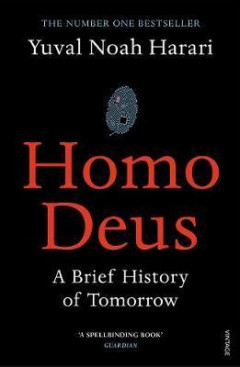
Homo deus: a brief history of tomorrow
Sapiens shows us where we came from. Homo Deus shows us where we're going. Yuval Noah Harari envisions a near future in which we face a new set of challenges. Homo Deus explores the projects, dreams and nightmares that will shape the twenty-first century and beyond - from overcoming death to creating artificial life. It asks the fundamental questions: how can we protect this fragile world…
- Edition
- First Vintage Edition
- ISBN/ISSN
- 9781784703936
- Collation
- 528 p ; 19,5 cm
- Series Title
- -
- Call Number
- 909.83 HAR h
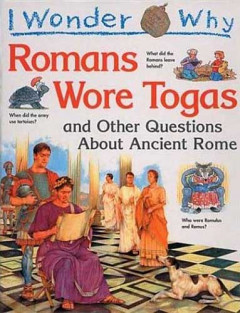
Romans wore togas and other questions about Ancient Rome
Answers questions about Anciet Rome'
- Edition
- -
- ISBN/ISSN
- 9780753401484
- Collation
- 32 p,; ill,; 28 cm
- Series Title
- I wonder why
- Call Number
- 937 MAC r
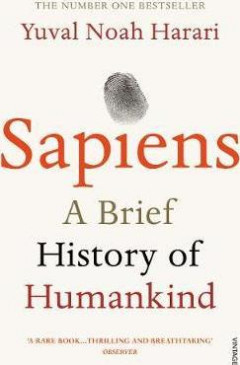
Sapiens: A Brief History of Humankind
100,000 years ago, at least six human species inhabited the earth. Today there is just one. Us. Homo sapiens. How did our species succeed in the battle for dominance? Why did our foraging ancestors come together to create cities and kingdoms? How did we come to believe in gods, nations and human rights; to trust money, books and laws; and to be enslaved by bureaucracy, timetables and consume…
- Edition
- First Vintage Edition
- ISBN/ISSN
- 9780099590088
- Collation
- 512p; bw; pbk; 128x197 mm
- Series Title
- -
- Call Number
- 909 HAR s

Ancient Egypt
Travel back 5,000 years to when pharaohs ruled a kingdom on the Nile. From hieroglyphs and pyramids to jewelled treasures and mummies, find out how archeologists cracked a code and unlocked the history of civilization.
- Edition
- -
- ISBN/ISSN
- -
- Collation
- -
- Series Title
- -
- Call Number
- HAR a

Everyday Life in Imperial Rome
The daily life of Ancient Rome is told through splendid reconstructions
- Edition
- -
- ISBN/ISSN
- 9788866680796
- Collation
- -
- Series Title
- -
- Call Number
- 937.0 ANT e

A World of Art
- Edition
- -
- ISBN/ISSN
- 9781406393897
- Collation
- 62 pages
- Series Title
- -
- Call Number
- 700 BRO w
- Edition
- -
- ISBN/ISSN
- 9781406393897
- Collation
- 62 pages
- Series Title
- -
- Call Number
- 700 BRO w
Kisah Pancasila
- Edition
- -
- ISBN/ISSN
- -
- Collation
- -
- Series Title
- -
- Call Number
- PAN k
- Edition
- -
- ISBN/ISSN
- -
- Collation
- -
- Series Title
- -
- Call Number
- PAN k
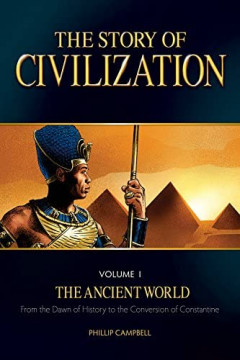
The Story of Civilization (Volume I) The Ancient World: From the Dawn of Hist…
Children should not just read about history, they should live it. In The Story of Civilization, the ancient stories that have shaped humanity come alive like never before. Author Phillip Campbell uses his historical expertise and story-telling ability together in tandem to present the content in a fresh and thrilling way. The Story of Civilization reflects a new emphasis in presenting th…
- Edition
- -
- ISBN/ISSN
- 9781505105667
- Collation
- 336 pages; illust. 22.8 cm
- Series Title
- -
- Call Number
- 930 CAM s
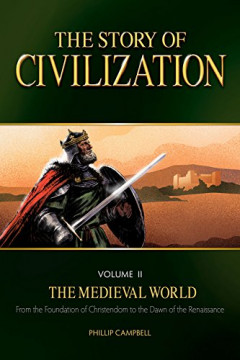
The Story of Civilization (Volume II) The Medieval World: From the Foundation…
In The Story of Civilization text book, children will live through the ancient stories that shaped humanity. Author Phillip Campbell uses his historical expertise and story-telling ability together in tandem to present the content in a fresh and thrilling way. The journey continues in this second volume that picks up just after the conversion of Emperor Constantine. Children will watch the s…
- Edition
- -
- ISBN/ISSN
- 9781505105742
- Collation
- 321 pages; illus. : 22.8 cm
- Series Title
- -
- Call Number
- 940.1 CAM s
 Computer Science, Information & General Works
  Philosophy & Psychology
  Religion
  Social Sciences
  Language
  Pure Science
  Applied Sciences
  Art & Recreation
  Literature
  History & Geography