Filter by
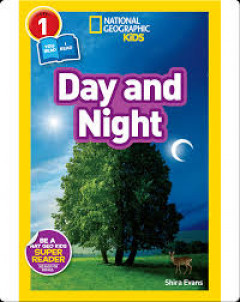
Day and Night (national geographic kids, level 1)
During the day, the sun shines, birds tweet, and bees buzz. Earth is awake! But what happens at night? The moon -- and a whole new group of animals come out to play
- Edition
- -
- ISBN/ISSN
- 9781426324703
- Collation
- 48p; ill; col
- Series Title
- National Geographic Readers
- Call Number
- 520 EVA d
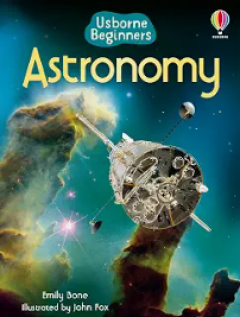
Astronomy
Astronomy introduces young readers to the fascinating world beyond Earth. Children discover how astronomers study planets, stars, and galaxies, how telescopes work, and what rovers explore in space. The book also introduces the Milky Way, nebulae, the Sun, the Moon, asteroids, and stargazing. Easy-to-read text, colourful photographs, illustrations, and a glossary help young readers explore the …
- Edition
- -
- ISBN/ISSN
- 9781409565246
- Collation
- 32 p. ; col. ill. ; 21 cm
- Series Title
- Usborne Beginners
- Call Number
- 520 BON a

Sun, Moon, and Stars
- Edition
- -
- ISBN/ISSN
- 9780746074770
- Collation
- 32p; ill; col; hc
- Series Title
- -
- Call Number
- 520 TUR s
- Edition
- -
- ISBN/ISSN
- 9780746074770
- Collation
- 32p; ill; col; hc
- Series Title
- -
- Call Number
- 520 TUR s
The science of cooking
Which vegetables should you eat raw? How do you make the perfect poached egg? And should you keep your eggs in the fridge? Why does chocolate taste so good? Is it OK to reheat cooked rice? How do I cook the perfect steak or make succulent fish every time? TV personality, food scientist and bestselling author, Dr. Stuart Farrimond answers all these questions and more with The Science of Cooking …
- Edition
- Ed. 1
- ISBN/ISSN
- 9781465463692
- Collation
- 256 p. ; ill. ; 26 cm
- Series Title
- The science of food
- Call Number
- 641 FAR t
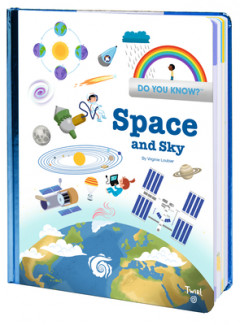
Do You Know?: Space and Sky
Why is the sky blue? How do astronauts breathe in space? What is a lunar eclipse? The Do You Know?™ books provide an in-depth look at a wide range of popular subjects. Appealing to children who want to know everything, each thought-provoking book • 80 pages of informative content and answers to many popular questions • Hundreds of labeled, full-color illustrations • An index to key…
- Edition
- -
- ISBN/ISSN
- 9782408029166
- Collation
- 80p. ; ill. ; hc.; 24 cm
- Series Title
- -
- Call Number
- 520 LOU d
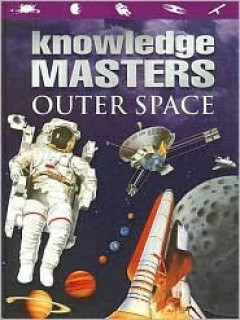
Knowledge master : outer space
Ever wondered how old the earth is, or how many galaxies there are in the universe? These questions and many more are answered in this fascinating series. Each book comes complete with a fully interactive CD-ROM including exciting internet links that take children to the most interesting and informative sites on the net. Knowledge Master is a complete, user-friendly multimedia package that's id…
- Edition
- -
- ISBN/ISSN
- 9781842399118
- Collation
- 32 p. ; ill. ; col.; ind.; 28 cm
- Series Title
- Knowledge master
- Call Number
- 520 FOR k
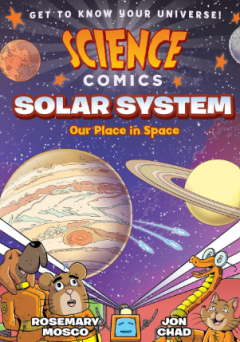
Solar system: our place in space
- Edition
- Ed. 1
- ISBN/ISSN
- 9781626721418
- Collation
- 116 p. ; ill. ; 21 cm
- Series Title
- Science comics
- Call Number
- 520 MOS s
- Edition
- Ed. 1
- ISBN/ISSN
- 9781626721418
- Collation
- 116 p. ; ill. ; 21 cm
- Series Title
- Science comics
- Call Number
- 520 MOS s
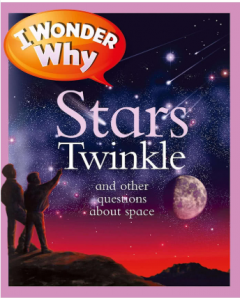
Stars twinkle and other questions about space
- Edition
- -
- ISBN/ISSN
- 9780753440704
- Collation
- 32 p. ; ill. ; 28 cm
- Series Title
- I wonder why
- Call Number
- 523 STO s
- Edition
- -
- ISBN/ISSN
- 9780753440704
- Collation
- 32 p. ; ill. ; 28 cm
- Series Title
- I wonder why
- Call Number
- 523 STO s
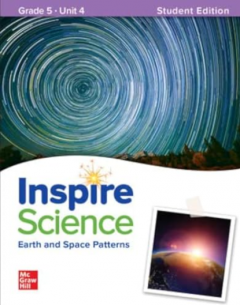
Earth and space patterns
- Edition
- -
- ISBN/ISSN
- 9780076996803
- Collation
- 85 p. ; ill. ; 27 cm
- Series Title
- Inspire Science Grade 5 Student Edition Unit 4
- Call Number
- 500 MCG e
- Edition
- -
- ISBN/ISSN
- 9780076996803
- Collation
- 85 p. ; ill. ; 27 cm
- Series Title
- Inspire Science Grade 5 Student Edition Unit 4
- Call Number
- 500 MCG e
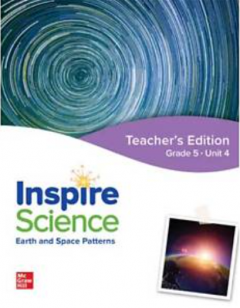
Earth and space patterns
- Edition
- -
- ISBN/ISSN
- 9780076997183
- Collation
- 89 p. ; ill. ; 31 cm
- Series Title
- Inspire Science Grade 5 Teacher's edition Unit 4
- Call Number
- 500 MCG e
- Edition
- -
- ISBN/ISSN
- 9780076997183
- Collation
- 89 p. ; ill. ; 31 cm
- Series Title
- Inspire Science Grade 5 Teacher's edition Unit 4
- Call Number
- 500 MCG e
 Computer Science, Information & General Works
  Philosophy & Psychology
  Religion
  Social Sciences
  Language
  Pure Science
  Applied Sciences
  Art & Recreation
  Literature
  History & Geography