Filter by
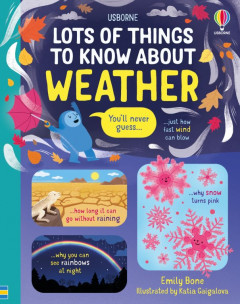
Lots of things to know about weather
Open this book to discover incredible facts about the weather. you'll be amazed by what you find...
- Edition
- Ed.1
- ISBN/ISSN
- 9781803701349
- Collation
- 63 p. ; ill. ; 24 cm
- Series Title
- -
- Call Number
- 551 BONl

The Science of spice: understand flavor connections and revolutionize your co…
Great cooking goes beyond following a recipe - it's knowing how to use the right combination of spices and herbs to get the greatest possible flavor from your dishes. From learning how the flavor compounds within spices work together to exploring the world's top spices, this is the perfect cookbook for curious cooks and adventurous foodies. Whether you’re a fan of spice seeking to experiment …
- Edition
- -
- ISBN/ISSN
- 9781465475572
- Collation
- 224 p. ; ill. ; 26 cm
- Series Title
- -
- Call Number
- 641 FAR s
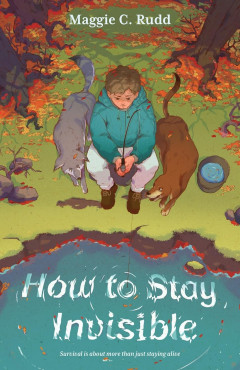
How to stay invisible
Being alone is something Raymond is used to. Twelve-year-old Raymond Hurley has never had a place to call home. His free-wheeling parents move their family from town to town, and he’s living in a trailer in a brand-new state when one day, they just up and abandon him. All alone with nothing but a duffle bag full of clothes and his reliable pup, Rosie, he is forced to live in the woods behi…
- Edition
- -
- ISBN/ISSN
- 9781250327918
- Collation
- 230 p. ; ill. ; 20 cm
- Series Title
- -
- Call Number
- 823 RUD h

The Science of flavor: unlock the secrets of flavorful cooking (the science o…
They say you eat with the eyes. But we now know that smell, texture, temperature, color and even atmosphere – down to the background music – influence how we perceive flavor. As anyone who has lost their sense of taste will know, flavorless food is dull and monochrome - it is flavor that brings food into full technicolor life. Yet it's not always easy to make something tasty; the secrets…
- Edition
- -
- ISBN/ISSN
- 9780241667637
- Collation
- 223 p. ; ill. ; 26 cm
- Series Title
- -
- Call Number
- 641 FAR s
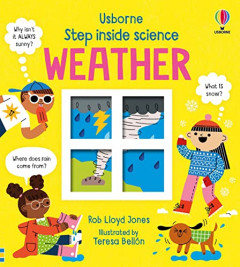
Step inside science: weather
- Edition
- -
- ISBN/ISSN
- 9781474998765
- Collation
- 14 p. ; ill. ; 22 cm
- Series Title
- -
- Call Number
- 551 JON s
- Edition
- -
- ISBN/ISSN
- 9781474998765
- Collation
- 14 p. ; ill. ; 22 cm
- Series Title
- -
- Call Number
- 551 JON s
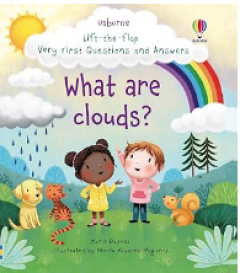
What are clouds?
Discover what clouds are made of, why storm clouds flash and boom, how tornadoes happen and what makes a rainbow. With lots of flaps to lift, this delightful book encourages children to explore clouds for themselves, spotting shapes in the sky, looking at the simple science behind them and learning a few cloud myths along the way.
- Edition
- -
- ISBN/ISSN
- 9781474982146
- Collation
- unpaged ; ill. ; 20 cm
- Series Title
- Lift-the-flap Very First Questions and Answers
- Call Number
- 551 DAY w
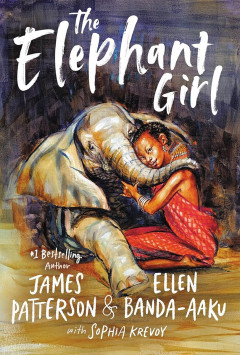
The elephant girl
Clever, sensitive Jama likes elephants better than people. While her classmates gossip—especially about the new boy, Leku—twelve-year-old Jama takes refuge at the watering hole outside her village. There she befriends a baby elephant she names Mbegu—Swahili for "seed". When Mbegu’s mother, frightened by poachers, stampedes, Jama and Mbegu are blamed for two deaths—one elephant …
- Edition
- -
- ISBN/ISSN
- 9780316414456
- Collation
- 253 p. ; ill. ; 20 cm
- Series Title
- -
- Call Number
- 823 PAT e

Force & Motion
- Edition
- -
- ISBN/ISSN
- 9786235307671
- Collation
- 36 p.; ill.
- Series Title
- Brady The Bunny
- Call Number
- 500 BOO f
- Edition
- -
- ISBN/ISSN
- 9786235307671
- Collation
- 36 p.; ill.
- Series Title
- Brady The Bunny
- Call Number
- 500 BOO f
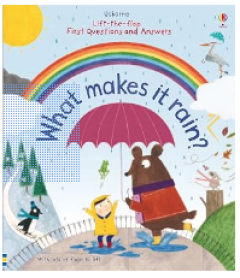
What makes it rain?
- Edition
- -
- ISBN/ISSN
- 9781409598817
- Collation
- unpaged ; ill. ; 22,5 cm
- Series Title
- Lift-the-flap First Questions and Answers
- Call Number
- 551 DAY w
- Edition
- -
- ISBN/ISSN
- 9781409598817
- Collation
- unpaged ; ill. ; 22,5 cm
- Series Title
- Lift-the-flap First Questions and Answers
- Call Number
- 551 DAY w
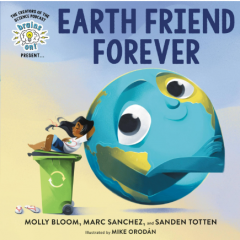
Earth friend forever
- Edition
- -
- ISBN/ISSN
- 9780316459419
- Collation
- unpaged.; ill.; 26 cm.
- Series Title
- Brains On! Presents...
- Call Number
- 363 BLO e
- Edition
- -
- ISBN/ISSN
- 9780316459419
- Collation
- unpaged.; ill.; 26 cm.
- Series Title
- Brains On! Presents...
- Call Number
- 363 BLO e
 Computer Science, Information & General Works
  Philosophy & Psychology
  Religion
  Social Sciences
  Language
  Pure Science
  Applied Sciences
  Art & Recreation
  Literature
  History & Geography